

Speech Therapy

At Centre Myéline in Woluwe-Saint-Lambert, Brussels, our speech therapists, who work at the agreed rates of INAMI (Belgium’s national health insurance institute), see children, teenagers and adults for assessment or therapy, just a short walk from the Montgomery roundabout.
What is speech therapy?
Speech therapy is a paramedical discipline that assesses, prevents and treats disorders of communication, of spoken and written language, and of swallowing. It is for children, teenagers, adults and older people who have difficulties in these areas.
Which disorders do we treat?
A speech therapist can help in many situations, including:
- Delays and disorders of spoken language (language delay, developmental language disorder, also known as developmental dysphasia, phonological, lexical, morphosyntactic or pragmatic delay or disorder)
- Learning delays and disorders (dyslexia, dysorthographia, a specific spelling disorder, and dyscalculia)
- Speech disorders (stuttering, articulation disorder)
- Voice disorders (dysphonia, vocal cord paralysis)
- Swallowing disorders (difficulty swallowing, food or drink going down the wrong way)
- Acquired, degenerative or developmental neurocognitive disorders (aphasia, dysarthria, Alzheimer’s disease, autism spectrum disorder…)
Working together
Speech therapists work closely with other professionals (doctors, psychologists, psychomotor therapists, teachers, other speech therapists, etc.) to provide complete, coordinated care.
Why see a speech therapist?
A language or communication disorder can affect daily life, success at school or at work, and personal well-being. Early intervention can significantly improve communication skills and support better social and school integration.
If you or your child has difficulties in these areas, consider seeing a speech therapist for an assessment and suitable support.
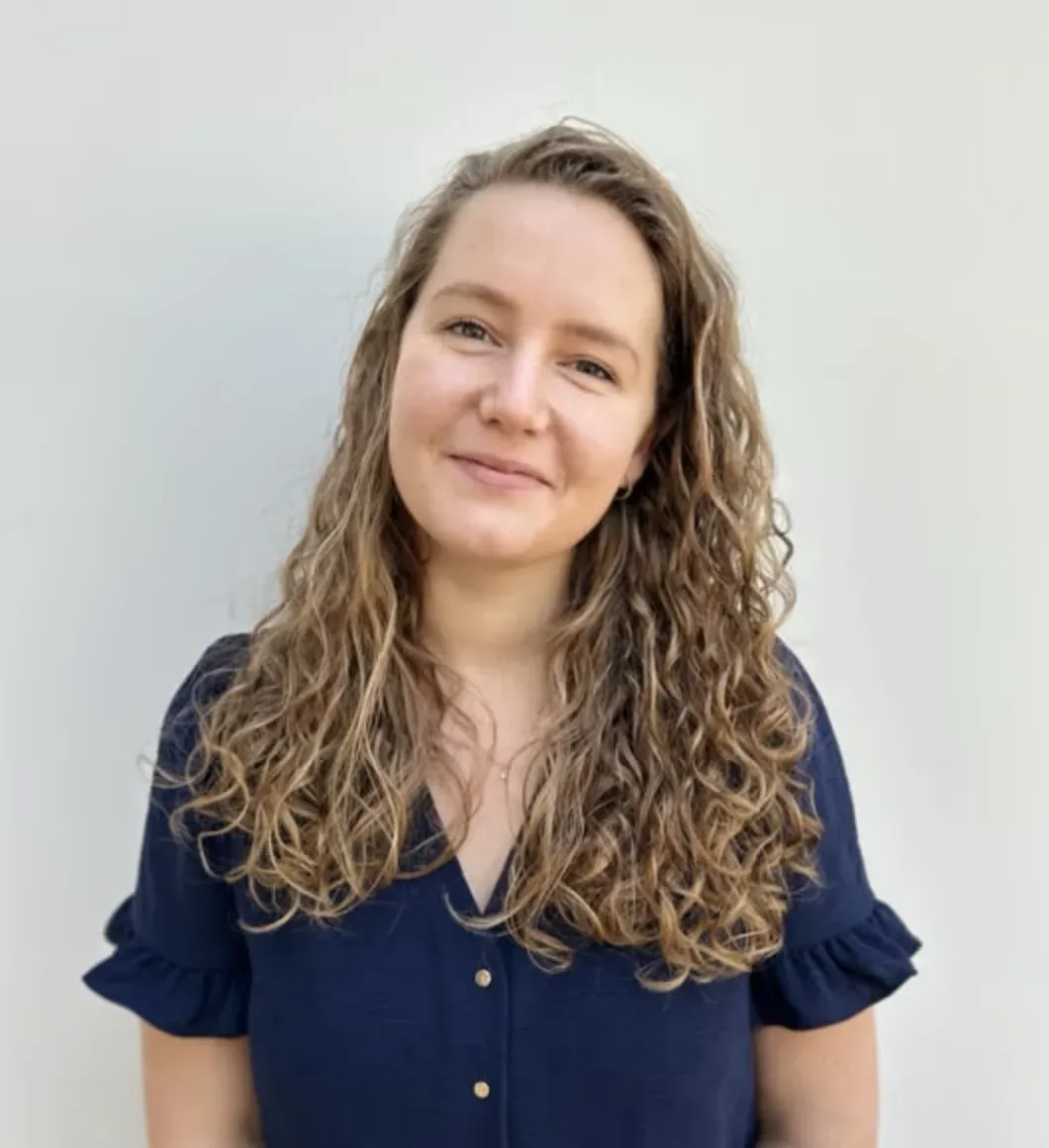
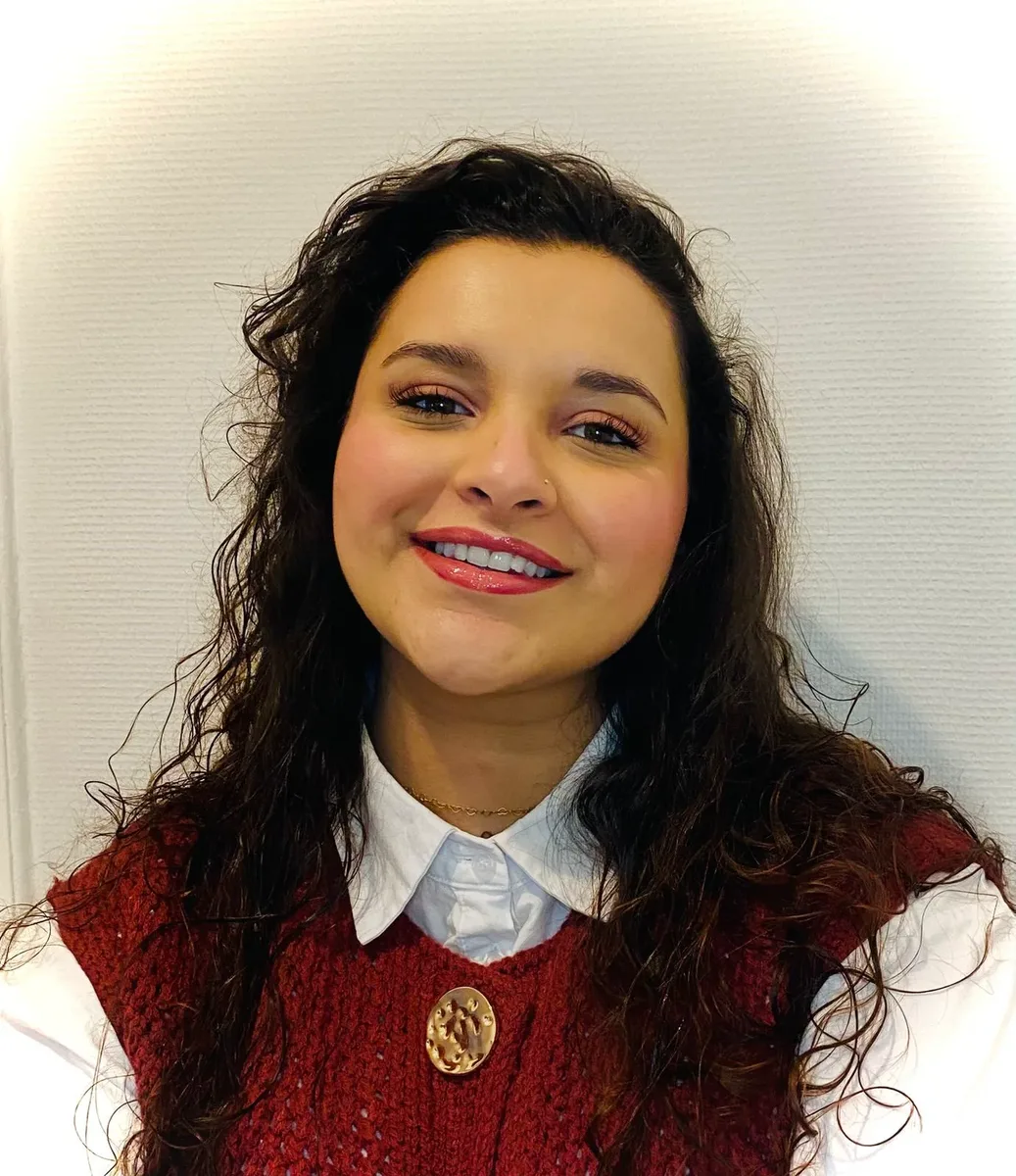
Our speech therapists in Woluwe-Saint-Lambert

Reimbursement by health insurance funds (mutuelles)
Here are the steps to follow to obtain approval for reimbursement:
- Prescription for a speech therapy assessment. The first step is to obtain a medical prescription for a speech therapy assessment from your GP or your child’s paediatrician. For a request related to spoken language (B2), an IQ test by a neuropsychologist and a hearing test by an ENT specialist are also required.
- Speech therapy assessment. At the first appointment, the patient’s skills in the area concerned are fully assessed. This assessment includes a case history (gathering information about the patient’s background and history) and a series of standardised tests that identify their difficulties and strengths precisely.
- Prescription for treatment. If the assessment reveals difficulties, you can show the report to the doctor, who can then give you a prescription for speech therapy treatment. This prescription must be issued by a medical specialist, such as an ENT specialist, a neurologist, a paediatrician, a geriatrician or another specialist suited to your situation.
- Start of care. Once these steps are complete, we can begin speech therapy.
Book an appointment
Book now for speech therapy, psychomotor therapy or occupational therapy.