

Psychomotor Therapy
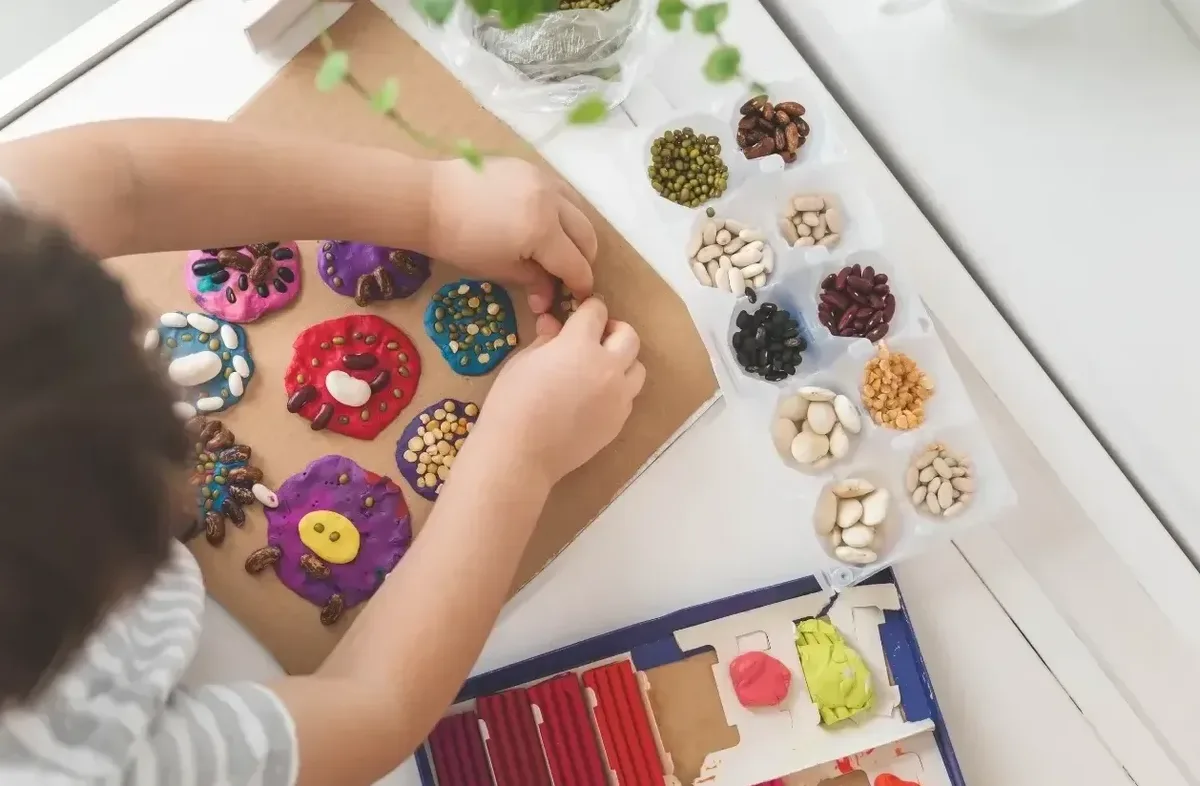
At Centre Myéline in Woluwe-Saint-Lambert, Brussels, our psychomotor therapist supports children, teenagers and adults in individual or group sessions, just a short walk from the Montgomery roundabout.
What is psychomotor therapy?
The Union Professionnelle Belge des Psychomotriciens Francophones defines psychomotor therapy as a discipline that considers the whole person, in connection with their motor functions and psychological development. It rests on the principle that body and mind are closely linked and that an imbalance in one can affect the other.
The psychomotor therapist sees the body as the foundation of psychological development. Through their own physical engagement and the tonic-emotional dialogue with the patient, and drawing on technical and relational skills, they build bodily experiences that establish or restore the link between the somatic (body) and the psychological (mind).
One of the distinctive features of psychomotor therapy is this tonic-emotional dialogue, which makes it possible to build a genuine, caring relationship with the patient. This process strengthens the connection between body and mind, helping the patient restore or reinforce the balance between their motor, emotional and cognitive dimensions.
Psychomotor therapists work with other professionals and contribute to the person’s overall development through prevention, care and therapy. This collaboration makes for consistent, whole-person care adapted to the patient.
Which disorders do we treat?
The areas of intervention are:
- motor (gross and fine motor skills, sensorimotor development);
- emotional (managing anxiety, fears and frustration, managing and expressing emotions, building self-esteem);
- relational (improving social skills);
- behavioural (impulsivity, agitation, psychomotor inhibition);
- sensory (sensory awareness and stimulation, sensory disability);
- educational (independence, handwriting movements, grip…).
Psychomotor therapists support children, teenagers and adults facing psychomotor difficulties related to:
- Neurodevelopmental disorders: autism spectrum disorder (ASD), intellectual disability (mild, moderate, severe or profound), communication disorders, attention deficit hyperactivity disorder (ADHD), with or without hyperactivity, developmental coordination disorder (DCD or dyspraxia), cerebral palsy, visuospatial disorders, dysgraphia, learning difficulties
- Muscle tone disorders (psychomotor instability, psychomotor disharmony)
- Disorders of body schema, laterality, and spatial and temporal organisation…
- Attachment disorders
- Eating disorders (anorexia, bulimia, body image disorder)
- Depressive disorders
- Anxiety disorders
Psychomotor care: a personalised path
Psychomotor care begins with a case history, an in-depth interview to gather information about the patient’s life story. This phase is crucial for understanding the wider context of the patient’s difficulties and to lay the groundwork for therapy. Care continues with several observation sessions and psychomotor assessments, during which the therapist closely observes the patient’s psychomotor dynamics, behaviour, and motor and emotional abilities, using specific tools to test different psychomotor functions.
A psychomotor assessment report is then written, highlighting the patient’s strengths and difficulties and taking their specific needs into account. Based on this report, personalised psychomotor goals are set, aimed at improving the functions identified as needing support.
What happens in a psychomotor therapy session
Psychomotor therapy sessions can be individual or in a group and are tailored to the patient’s specific needs and goals. They are designed around each person’s particular characteristics and include a variety of activities that each serve a specific goal of care. Mind-body techniques, body-based approaches, relaxation techniques, work on postural and gestural expression, motor games and body play are the psychomotor therapist’s specific tools. The therapeutic relationship and the process of symbolisation also play a key role, helping the patient to integrate and symbolise their bodily and emotional experiences.
The psychomotor therapist builds on the patient’s interests, preferences and strengths to create suitable sessions that work on their difficulties while valuing their skills.
Psychomotor care is therefore a dynamic, evolving process, in which every step is designed to meet the patient’s unique needs and allow them to progress at their own pace in a safe, caring setting.
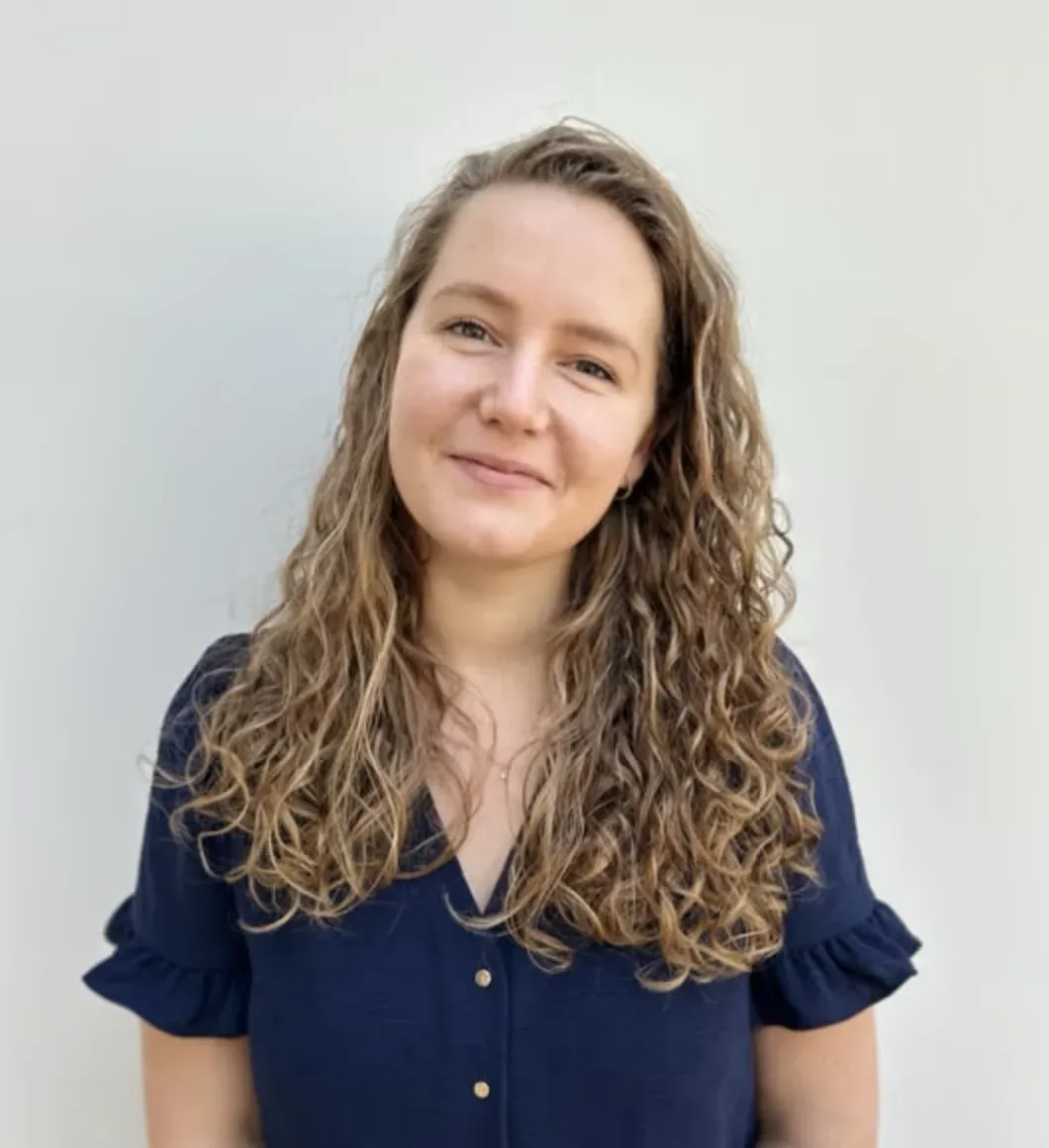
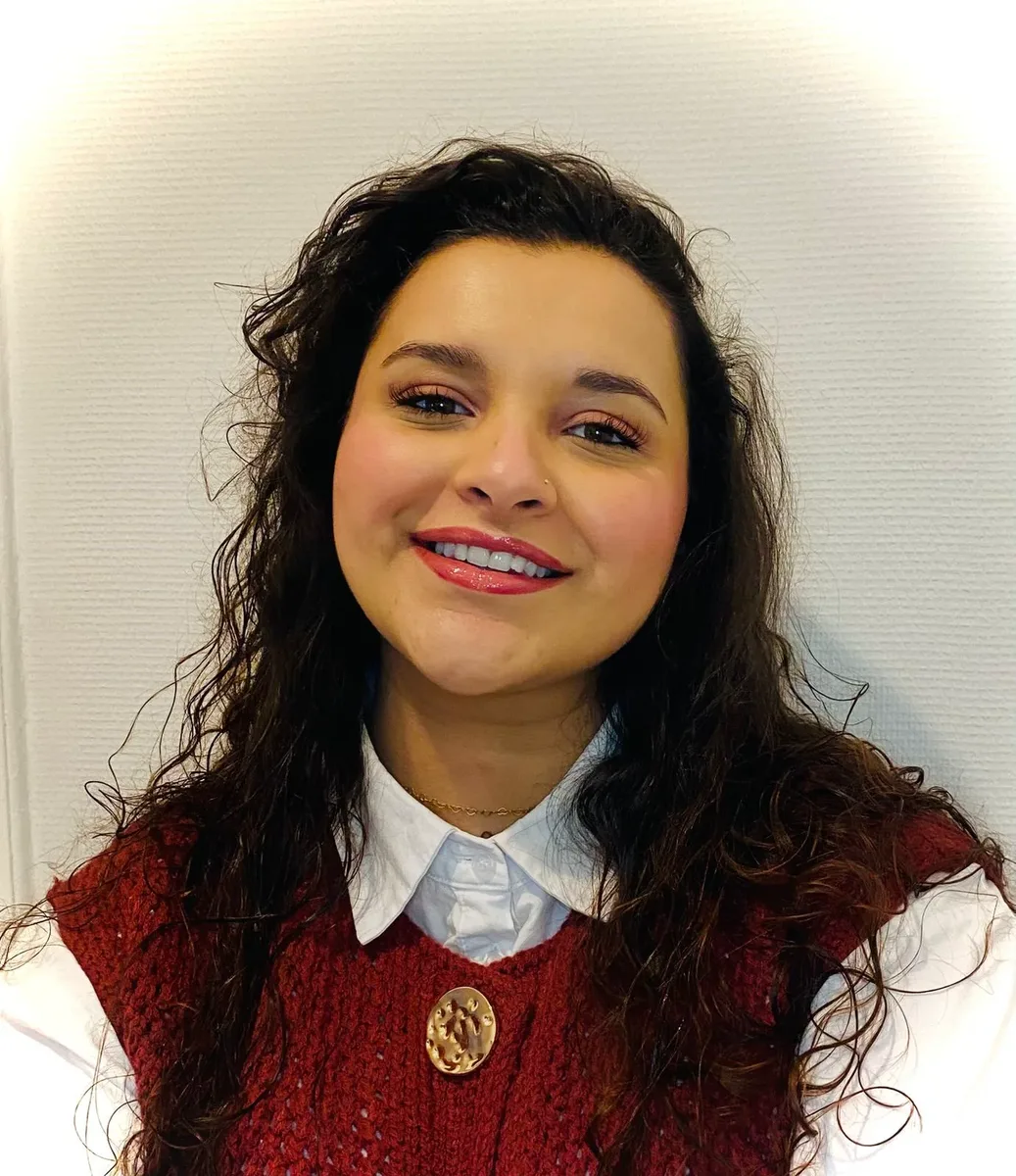
Our psychomotor therapist in Woluwe-Saint-Lambert

Reimbursement by health insurance funds
Some health insurance funds partly reimburse psychomotor therapy sessions and assessments on presentation of a medical prescription. For example:
- Mutualité Chrétienne: €10 per session, up to 75 sessions a year.
- Partenamut: €10 per session, up to 75 sessions a year.
- Solidaris Brabant: no reimbursement.
- Mutualité Neutre: €12 per session, up to €120 a year (for children under 6).
- Mutualia: €12 per session, up to €120 a year (for children under 14).
Book an appointment
Book now for speech therapy, psychomotor therapy or occupational therapy.